Thinking About Installing an EV Charger at Home? Here’s Everything You Need to Know
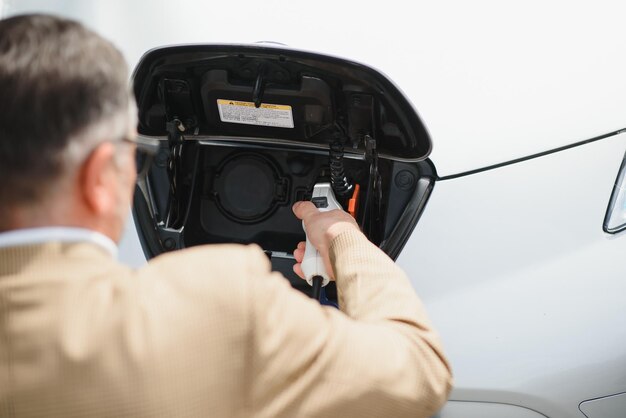
As our world becomes more eco-friendly and tech-driven, electric vehicles (EVs) are gaining significant popularity. They offer a cleaner, more sustainable transportation option and have become more accessible and desirable for those seeking to reduce carbon footprints. However, owning an EV means you'll likely need a dedicated charger at home. In this guide, we'll explore everything you need to know about EV charger installation services, including practical tips and actionable insights.
🚗 Why Install an EV Charger at Home?
Purchasing an electric vehicle is just the first step. Quickly, you'll find the convenience of having a charger at home indispensable. Here's why:
- Convenience: Charging at home is as simple as plugging in your phone. No more trips to the gas station or public charging stations unless necessary.
- Cost-Effectiveness: Charging at home can be more economical, particularly if you leverage off-peak electricity rates.
- Increased Property Value: Adding an EV charger can potentially increase your home’s resale value as EVs become more mainstream.
- Environmental Impact: Using clean energy at home to charge your vehicle can improve your carbon footprint compared to gas emissions.
🔌 Types of EV Chargers
Understanding the types of EV chargers is crucial before installation:
Level 1 Chargers
- Compatibility: Most EVs come with a Level 1 charger that uses a standard 120-volt outlet.
- Charging Speed: Adds around 2-5 miles of range per hour of charging.
- Best For: Those with short daily commutes or low daily driving needs.
Level 2 Chargers
- Power Requirements: Requires a 240-volt electrical outlet, similar to what your dryer uses.
- Charging Speed: Significantly faster, adding about 10-60 miles of range per hour.
- Best For: Daily drivers or households with multiple EVs.
DC Fast Chargers
- Installation: Typically installed in commercial settings due to high power needs.
- Charging Speed: Can charge an EV up to 80% in 20-30 minutes.
- Best For: Public spaces and commercial applications rather than at home.
🏡 Home Installation Process
Installing an EV charger at home involves several steps, and understanding this process can empower you to make informed decisions.
Preparation and Consideration
Before diving into installation, consider:
- Location: Where you plan to install your charger can impact costs and feasibility.
- Electrical Capacity: Your home's electrical system must support the additional load of an EV charger.
- Permits and Regulations: Local regulations may require a permit. This is especially crucial for Level 2 installations.
Hiring Professional Services
- Licensed Electricians: Always hire a certified electrician familiar with EV installations. Safety first!
- Installation Cost: Installation costs can vary based on your home’s existing electrical infrastructure and charger type.
- Warranty and Maintenance: Ensure the service includes warranty and future maintenance options.
Installation Steps
- Assessment: The electrician will evaluate your electrical system.
- Component Installation: Includes the charger itself and necessary electrical components.
- Testing: Once installed, comprehensive testing ensures everything operates correctly.
🔧 Maintenance Tips
Ensuring your EV charger operates efficiently requires regular maintenance:
- Routine Checks: Periodically inspect cables for wear and ensure the charger is securely mounted.
- Software Updates: Keep charging software updated to optimize performance and security.
- Surge Protection: Installing surge protectors can shield your charger from power surges and prolong its lifespan.
💡 Practical Consumer Tips
Here's a handy summary to keep in mind:
- 🌐 Research: Investigate different charger models and their compatibility with your EV.
- 🔍 Consult Experts: Get advice from professionals for installation plans suited to your needs.
- 🗓️ Plan for the Future: Consider future upgrades or capacity if you plan to add more EVs to your household.
- 💼 Consider Financial Incentives: Look out for rebates and incentives that can offset installation costs.
⚡ Energy Management and Sustainability
Optimizing energy use is vital when considering any home upgrade, including EV chargers.
Smart Charging Solutions
- Automation: Some chargers allow for scheduling, optimizing the charging process during off-peak hours to save costs.
- Integration with Renewable Energy: If your home uses solar power, integrating your charger can further reduce costs and environmental impact.
Government Incentives
While specifics can vary, many regions offer incentives for EV charger installation, like:
- Tax Credits: These can significantly reduce the cost of purchase and installation.
- Rebates: Direct financial rebates may be available for both home and workplace installations.
- Utility Programs: Some power companies offer incentives or discounts for installing home EV chargers.
🌍 The Future and Your Role
As more homes integrate smart technologies and sustainable practices, EV charger installations will become commonplace. By choosing to install an EV charger, you are contributing to a more sustainable future, reducing dependence on fossil fuels, and potentially influencing others in your community.
With exciting advancements like bidirectional charging (where EVs can power your home) and the evolving infrastructure for public charging, the landscape of electric vehicles is poised for continuous growth.
Embrace this transition with confidence, knowing that your contributions today shape a cleaner tomorrow.
Summarized Insights
- 🏠 Home Advantage: Installing a home charger offers unrivaled convenience and economic benefits.
- 🔧 Professional Installation: Essential for safety and efficiency; always hire certified electricians.
- 🌟 Maintenance Matters: Regular checks and updates are vital for charger longevity.
- 💰 Incentives Available: Financial schemes can significantly reduce out-of-pocket costs.
- 🔋 Smart Solutions: Integrating smart tech can optimize energy use and cost savings.
As you venture into the realm of electric vehicle ownership, understanding and investing in a suitable charging solution is a critical aspect. By being informed and prepared, you can seamlessly integrate this technology into your life, contributing to a greener planet one charge at a time.
Related Topics
- Accessibility Equipment Installation
- Ac Installation Services
- Appliance Installation Services
- Best Installation Services Near Me
- Bge Installation Services
- Carpet Installation Services
- Cctv Installation Services
- Cctv Installation Services In Dubai
- Ceiling Fan Installation Services
- Chandelier Installation Services
- Christmas Light Installation Services
- Co2 Detector Installation Services
- Commercial Equipment Installation
- Commercial HVAC Installation
- Commercial Solar Panel Installation Services
- DIY Vs Professional Installation
- Door Installation Services
- Door Installation Services Near Me
- Downspout Installation Services
- Draeger Ignition Interlock Installation Services
- Dryer Vent Installation Services
- Drywall Installation Services
- Ductless Mini Split Ac Installation Services
- Ductwork Installation Services
- Electrical Installation Services