Metal Roofing Installation: The Comprehensive Guide to Your New Roof
In today's world of home improvement, metal roofing has surged in popularity, offering homeowners a blend of durability, aesthetics, and eco-friendliness. Whether you're building a new home or considering an upgrade, understanding everything about metal roofing installation can empower you to make informed decisions. This guide will explore the ins and outs of metal roofing, the installation process, key considerations, and the benefits it entails.
Why Choose Metal Roofing?
Metal roofs have gained a reputation for being a long-lasting, sustainable option. Here’s why they might be the right choice for your home:
Longevity: Metal roofs are known for their durability. Unlike traditional roofing materials that may last 20-30 years, metal roofs can withstand the elements for 40-70 years, giving you peace of mind for decades.
Energy Efficiency: With the soaring costs of energy, metal roofs provide an energy-efficient solution. They reflect solar radiant heat, which means your home stays cooler in the summer, reducing your need for air conditioning.
Environmental Benefits: Made from 25-95% recycled content, depending on the material, metal roofs are also 100% recyclable at the end of their service life. This makes them one of the most environmentally friendly options available.
Aesthetic Variety: Gone are the days when metal roofs meant only corrugated tin sheets. Today’s metal roofs come in a variety of styles, colors, and finishes, designed to mimic traditional roofing materials like shingles, shakes, or tiles.
Understanding the Types of Metal Roofing
Before embarking on your installation project, it's crucial to understand the types of metal roofing available:
Standing Seam Metal Roof
This is one of the most common types of metal roofing. It features interlocking seams that connect vertically along the roof, providing a sleek and modern appearance. Its hidden fastener design offers a clean look and superior protection from the elements.
Metal Shingles and Shakes
Offering the aesthetic appeal of traditional shingles or shakes, metal versions are designed for longevity and durability. These options can simulate the look of wood shakes or asphalt shingles while providing enhanced protection and lifespan.
Stone-Coated Metal Roof
For those who desire a more textured and traditional roofing appearance, stone-coated metal roofs offer a versatile solution. They are available in various styles and colors, providing aesthetic flexibility paired with metal’s durability.
Corrugated Metal Roof
Typically used for agricultural or industrial buildings, corrugated metal roofs are an economical option, characterized by their wavy panel design. While traditionally not used in residential architecture, they have found a niche in rustic or barn-style homes.
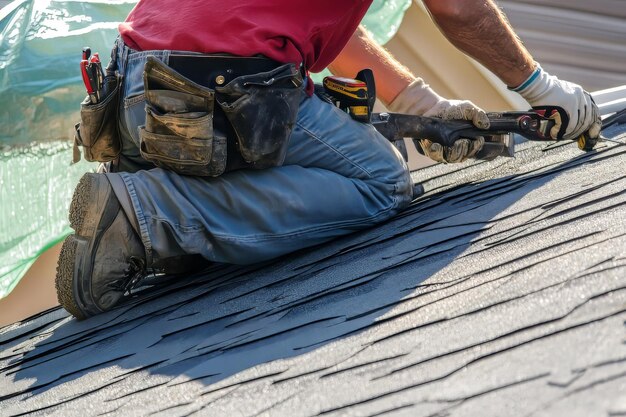
The Metal Roofing Installation Process
Understanding the installation process can demystify it and help you prepare accordingly:
Pre-Installation Considerations
Before any installation begins, evaluating your existing roof structure is vital. A professional roofer will inspect for any damage or decay that needs addressing prior to installation. Additionally, measures should be discussed to ensure proper ventilation and insulation.
Installation Steps
Measurement and Planning: Accurate measurement of your roof ensures that materials are correctly ordered and minimizes waste. Planning involves selecting materials, style, and determining the sequence of installation.
Removing Old Roofing: In most cases, it’s advisable to remove the old roofing to check for damage underneath. Some installations might allow for metal roofing to be placed over existing shingles, but this is situational.
Laying Down Underlayment: An important step that involves placing a waterproof or water-resistant barrier under your metal roofing. This acts as an added layer of protection from moisture.
Installing Panels: Metal panels or shingles are placed and fastened securely. The exact method will vary based on the type of metal roofing being installed, but precision is key to avoid leaks and ensure longevity.
Flashing and Trim: Proper flashing around sharp angles and edges is crucial to ensure water-tightness. This includes chimneys, skylights, and roof valleys.
Ventilation and Final Inspections: Ensure proper ventilation systems are in place for energy efficiency and moisture control. Finally, a thorough inspection concludes the process, checking for loose fasteners or unsealed seams.
Key Considerations Before Installing Metal Roofing
Cost: While the initial cost of metal roofing is higher than some traditional options, its longevity and energy-saving benefits make it cost-effective over time.
Local Climate: Metal roofing is particularly advantageous in regions with heavy snowfall or high winds, but it’s important to choose materials that suit your local climate.
Installation Expertise: Metal roofing requires specialized knowledge and craftsmanship. Hiring experienced professionals is essential to ensure a flawless installation.
Benefits of Metal Roofing Installation
Durability and Resilience
Metal roofs are capable of withstanding extreme weather conditions, including heavy snow, strong winds, and even impact from debris without sustaining damage. They are also fire-resistant, offering additional peace of mind.
Low Maintenance Requirements
Due to their durability, metal roofs require minimal maintenance compared to other roofing materials. Regular inspections and occasional cleaning to remove debris and maintain aesthetics are generally sufficient.
Enhanced Property Value
Investing in a metal roof can enhance your property’s value. Prospective buyers recognize the long-term savings and aesthetic appeal, making it an attractive feature in real estate listings.
Potential Challenges and Solutions
Every roofing project can present unique challenges. Here are solutions to common issues faced with metal roofing:
Noise: Some homeowners express concern about rain or hail noise on metal roofs. Proper insulation and underlayment can significantly dampen sound, making it comparable to traditional roofing.
Denting: While metal roofs are resilient, severe hailstorms can cause denting. Opt for thicker materials if dent-resistance is a priority, especially in hail-prone areas.
Expansion and Contraction: Metal naturally expands and contracts with temperature changes, potentially causing fasteners to loosen over time. Address this with appropriate fastener systems and maintenance checks.
Summary of Key Insights
Here are some practical considerations and tips for anyone interested in metal roofing:
- ��� Maintenance Tip: Regularly inspect for loose fasteners or damaged panels to extend the roof’s lifespan.
- 💡 Energy Saving: Choose lighter-colored metal roofs to maximize heat reflection and further reduce cooling costs.
- 🛠 Professional Installation: Always opt for experienced installers to avoid common pitfalls in the installation process.
- 🌿 Eco-Friendly Choice: By choosing metal, you’re making a choice that’s kind to both your budget and the environment.
Making the Right Choice
Choosing metal roofing for your home is a significant investment. With its numerous advantages ranging from durability to aesthetic appeal, it can be a prudent choice for those seeking a long-term roofing solution. However, understanding your needs, local climate, and budget is essential to make the decision that best suits you.
Ultimately, metal roofing installation offers a resilient and energy-efficient choice for homeowners desiring an upgrade that combines functionality with style. Equipped with this comprehensive understanding, you’re now prepared to embark on your journey toward a durable and beautiful roof that stands the test of time.
Related Topics
- Accessibility Equipment Installation
- Ac Installation Services
- Appliance Installation Services
- Best Installation Services Near Me
- Bge Installation Services
- Carpet Installation Services
- Cctv Installation Services
- Cctv Installation Services In Dubai
- Ceiling Fan Installation Services
- Chandelier Installation Services
- Christmas Light Installation Services
- Co2 Detector Installation Services
- Commercial Equipment Installation
- Commercial HVAC Installation
- Commercial Solar Panel Installation Services
- DIY Vs Professional Installation
- Door Installation Services
- Door Installation Services Near Me
- Downspout Installation Services
- Draeger Ignition Interlock Installation Services
- Dryer Vent Installation Services
- Drywall Installation Services
- Ductless Mini Split Ac Installation Services
- Ductwork Installation Services
- Electrical Installation Services