Safeguard Your Furry Friends: A Comprehensive Guide to Pet Fence Installation Services
Owning a pet brings immense joy and companionship, but with it comes the responsibility of ensuring their safety. For pet owners, one of the most crucial aspects of pet care is providing a secure environment where their pets can roam freely without the fear of them wandering off. Pet fence installation services offer a practical solution for creating safe outdoor spaces. This guide will delve deep into the world of pet fencing, covering various aspects, including types of fences, benefits, installation tips, and considerations when choosing the right services for your needs.
Understanding the Necessity of Pet Fences
Every pet owner knows that a secure outdoor environment is key to keeping their furry friends safe. Whether it's a curious dog chasing after a squirrel or a cat exploring its territory, a well-installed pet fence can prevent them from straying into potentially harmful situations.
Benefits of a Pet Fence
- Safety and Security: The primary benefit of a pet fence is the protection it provides, keeping pets within a designated area while keeping potential dangers out.
- Peace of Mind: Knowing that your pet is safely contained allows pet owners to relax without constantly worrying about their pet’s whereabouts.
- Freedom for Pets: Fenced spaces give pets the freedom to explore, play, and exercise, which contributes to their overall well-being.
- Property Boundaries: Fences help define property lines and prevent disputes with neighbors, especially in areas with high pet populations.
Types of Pet Fences: Choosing the Right Fit
Selecting the appropriate fence involves understanding the different types available and their specific benefits. Here are some popular options with their distinguishing features:
Physical Fences
Wooden Fences
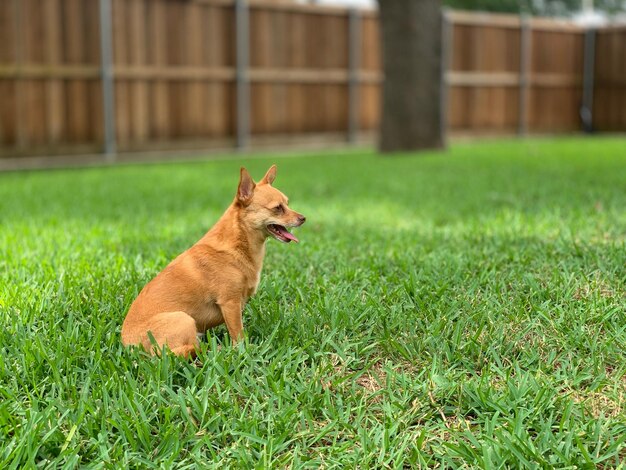
A classic choice, wooden fences offer durability and a natural appearance. They're excellent for larger dogs that might attempt to jump or climb.Chain-Link Fences
Known for their affordability and effectiveness, chain-link fences allow visibility while securely containing pets. However, they might lack in aesthetic appeal.Vinyl Fences
Offering longevity and low maintenance, vinyl fences come in various designs and can mimic wood or metal, offering versatility in appearance.Metal Fences
Often made from iron or aluminum, these fences provide robust security and can add a touch of elegance to your property.
Invisible Fences
Wireless Systems
Wireless fences create a barrier that uses radio signals to keep pets within boundaries, offering flexibility for larger properties.In-Ground Systems
These involve burying wires around the boundary, activated by a collar that the pet wears, providing a discreet fencing option.
Considerations for Choosing a Fence
- Pet Size and Behavior: Larger, more energetic pets may require taller and sturdier fences.
- Aesthetic Preference: Choose a fence that complements your home’s exterior.
- Budget: While some fences like vinyl may be costlier initially, their low maintenance can be beneficial in the long run.
- Community Regulations: Ensure compliance with local ordinances pertaining to fence height and style.
The Installation Process: What to Expect
Successfully installing a pet fence requires precise planning and execution. Here’s what you can generally expect from professional pet fence installation services:
Initial Consultation
The process usually begins with a consultation where the installer assesses your property, discusses your needs, and suggests suitable fencing options.
Site Preparation
Preparing the site involves clearing debris and obstacles that might interfere with fence installation. This step is crucial for ensuring stability and effectiveness.
Installation
Installation varies based on the fence type. Physical fences, for instance, involve installing posts and panels, while invisible fences require careful placement of boundary markers and setup of the control unit.
Final Checks and Adjustments
Once installed, the fence system is tested for integrity and function, ensuring that everything is in working order before leaving you with a secure pet area.
Choosing the Right Pet Fence Installation Service
Not all installation services are created equal. Here are some tips for selecting a reliable service provider:
- Check Reviews and References: Look for companies with positive customer feedback and a track record of successful installations.
- Experience Matters: Opt for services that have considerable experience handling various fence types.
- Transparent Pricing: Ensure the provider offers clear, upfront pricing to avoid hidden costs.
- Warranty and Support: Good installation services will offer warranties on their work and provide support for any subsequent issues.
Special Considerations for Urban and Rural Settings
The environment and location of your property can influence the type of pet fence and the installation approach.
Urban Considerations
- Space Constraints: Townhouses or city homes may have limited yard space, requiring creativity in designing an effective boundary.
- Aesthetic Concerns: In urban areas, blending the fence with the surroundings may be more critical due to community standards.
Rural Considerations
- Wildlife Intrusion: In rural settings, fences may need to be robust enough to prevent wildlife from entering the pet’s space.
- Property Size: Larger rural properties might benefit more from invisible fences due to their expansive coverage capabilities.
DIY vs. Professional Installation
Deciding between do-it-yourself and professional installation depends on several factors including complexity, budget, and personal skills.
DIY Installation
Pros:
- Cost-saving on labor fees.
- Personal satisfaction in completing the project.
Cons:
- Potential lack of expertise can lead to ineffective installation.
- Requires time and the right tools.
Professional Installation
Pros:
- Expert handling ensures robust, reliable results.
- Saves time and effort, especially for larger projects.
Cons:
- Higher upfront cost.
Tips for Maintaining Your Pet Fence 🛠️
Regardless of the type of fence installed, regular maintenance is necessary to ensure longevity and functionality:
- Regular Inspections: Check for any damage or wear, especially after extreme weather conditions.
- Cleaning and Repairs: Clean physical fences regularly and address any issues like rust, rot, or loosened parts.
- Electronic Checks: For invisible fences, regularly test the electronic components to ensure they’re functioning properly.
Quick Recap: Key Takeaways 📝
- Safety First: A pet fence provides essential security for pets, preventing them from straying into danger.
- Multiple Options: From wooden to electronic fences, choose based on your pet’s needs, environment, and aesthetic preference.
- Professional Assistance: Opt for professional services where possible for best results, especially for complex installations.
- Regular Maintenance: Keep your fence in good condition with consistent maintenance checks.
Creating a secure space for your pets enhances their freedom and enjoyment of your property. Whether you're installing a new fence or improving an existing one, consider your options carefully and consult with experts if needed. With the right care and planning, a pet fence can be a long-lasting investment in your pet's safety and your peace of mind.
Related Topics
- Accessibility Equipment Installation
- Ac Installation Services
- Appliance Installation Services
- Best Installation Services Near Me
- Bge Installation Services
- Carpet Installation Services
- Cctv Installation Services
- Cctv Installation Services In Dubai
- Ceiling Fan Installation Services
- Chandelier Installation Services
- Christmas Light Installation Services
- Co2 Detector Installation Services
- Commercial Equipment Installation
- Commercial HVAC Installation
- Commercial Solar Panel Installation Services
- DIY Vs Professional Installation
- Door Installation Services
- Door Installation Services Near Me
- Downspout Installation Services
- Draeger Ignition Interlock Installation Services
- Dryer Vent Installation Services
- Drywall Installation Services
- Ductless Mini Split Ac Installation Services
- Ductwork Installation Services
- Electrical Installation Services