Harnessing the Sun: A Comprehensive Guide to Solar Panel Installation Services
Switching to solar energy isn't just a trend; it's a forward-thinking step towards sustainability and energy efficiency. Whether you're a homeowner or a business looking to cut costs and reduce your carbon footprint, solar panel installation services can be a game-changer. Dive in with us as we explore the ins and outs of this growing service, decode the jargon, and guide you on the path to greener energy.
🌞 Why Go Solar?
Solar energy offers numerous benefits, making the switch an appealing option for many:
- Eco-Friendly: Solar panels reduce pollution and greenhouse gases by harnessing renewable energy.
- Cost Savings: Over time, solar energy can cut your electricity bills significantly.
- Energy Independence: Reduce your reliance on the grid and protect against rising electricity costs.
- Incentives and Rebates: Many regions offer financial incentives to offset installation costs.
Understanding Your Energy Needs
Before embarking on a solar journey, it's crucial to understand your energy consumption. Calculating your average energy usage helps determine the size of the solar system you'll need. It’s a stepping stone to selecting the right solution tailored to your requirements.
🔍 Selecting a Solar Panel Installation Service
Choosing the right installation service requires careful consideration. Here are some factors to keep in mind:
Reputation and Experience
A service with a track record of successful installations and satisfied customers is likely to deliver quality and reliability. Explore consumer reviews, testimonials, and ask for references to ensure you're choosing a reputable provider.
Licensing and Certifications
Ensure your installer has the proper licenses and certifications. These credentials often reflect a commitment to industry standards and regulations. Look for certifications from recognized organizations, which indicate technical expertise.
Cost and Financing Options
Solar installations can be expensive upfront, but several financing options can alleviate this burden. Discuss:
- Direct Purchase: Own your system and benefit from all savings and incentives.
- Leasing: Lower upfront costs with predictable monthly payments.
- Power Purchase Agreements (PPAs): Pay for the power generated rather than the system itself.
Warranty and Maintenance
Ask about the warranty on both the solar panels and the installation service. A comprehensive warranty can offer peace of mind, ensuring support and repairs for years to come.
📐 Planning Your Solar Installation
Once you've settled on a provider, it's time to dive into the details of your installation.
Site Assessment
A thorough site assessment determines the ideal placement of your solar panels to maximize sun exposure. Key aspects include:
- Roof Orientation and Tilt: South-facing roofs typically receive the most sunlight.
- Shading: Ensure trees or buildings don't cast shadows on your panels.
- Roof Condition: A sturdy roof in good condition can support the weight of the panels.
System Sizing
Your installer will help you choose the right size system based on your energy usage and roof space. Larger systems generate more power but require more space and a higher investment.
Design and Layout
Effective design ensures that your system not only fits well but also operates at peak efficiency. A comprehensive plan includes:
- Electrical Configuration: Determines how your panels will connect to your building's electrical system.
- Panel Placement: Ensures optimal sunlight exposure and aesthetic alignment.
Permitting and Approvals
Securing the necessary permits and approvals is crucial before installation can begin. Your installer will typically handle these, ensuring compliance with local regulations and codes.
🛠️ Installation Process
The installation itself is a multi-step process overseen by trained professionals.
Pre-Installation Checks
Before installation begins, expect a final inspection to confirm everything is in order. This ensures both the safety and efficiency of the installation process.
Mounting the Panels
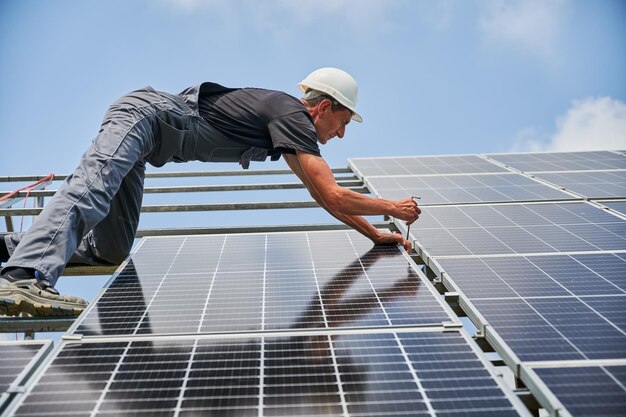
Installers fix mounts on the roof before securely attaching the panels. This step is done carefully to avoid any damage to your roof structure.
Electrical Wiring
The panels connect via electrical wiring, thus integrating into your existing home's electrical system. The setup may include a solar inverter to convert the DC power generated by your panels into AC power for home use.
Connecting to the Grid
Once installed, your system needs to be connected to the local utility grid, enabling net metering — a system that credits solar energy system owners for the electricity they add to the grid.
🤔 After Installation: Maintenance and Monitoring
Keeping your solar power system in peak performance is essential to maximizing its benefits.
Routine Maintenance
Although solar panels require minimal maintenance, periodic cleaning and inspection can ensure longevity and performance:
- Cleaning: Regular removal of debris and dust maximizes sunlight absorption.
- Inspection: Annual checks for any damage or obstructions.
Performance Monitoring
Many modern solar power systems come with software for real-time monitoring, helping you track energy production and consumption. This insight allows for quick identification and resolution of any performance issues.
🚀 Maximizing Your Solar Investment
Going solar is not just about installation; it’s about getting the most out of your system in the long run.
Energy Efficiency Upgrades
Complement your solar system with energy-efficient appliances and home improvements. Insulation, LED lighting, and energy-efficient windows can further cut costs.
Stay Informed on Incentives
Renewable energy policies and incentives are continuously evolving. Stay informed to capitalize on new opportunities to save or expand your system.
Expand with Battery Storage
Install a solar battery storage system to save excess power for use during cloudy days or nighttime, increasing your energy independence.
📌 Key Takeaways
Here’s a quick summary of tips and highlights from our guide:
- 🌞 Understand Your Needs: Assess your energy consumption to size your system correctly.
- 🔎 Choose Wisely: Go for a reputable, licensed installer with favorable reviews.
- 📏 Plan and Design: Effective design considers orientation, shading, and aesthetics.
- 🛠️ Proper Installation: Ensure compliance with all local codes and permits.
- 🔧 Maintenance Matters: Routine checks help maintain panels’ efficiency.
- 🧠 Stay Informed: Keep abreast of changes in policies and technology.
- 📈 Expand As Needed: Consider adding battery storage for greater autonomy.
Switching to solar energy is a smart move towards sustainable living, energy independence, and significant cost savings. By leveraging quality installation services and sustaining long-term maintenance practices, you're investing in a cleaner future and solidifying your standing as an informed, responsible energy consumer.
Related Topics
- Accessibility Equipment Installation
- Ac Installation Services
- Appliance Installation Services
- Best Installation Services Near Me
- Bge Installation Services
- Carpet Installation Services
- Cctv Installation Services
- Cctv Installation Services In Dubai
- Ceiling Fan Installation Services
- Chandelier Installation Services
- Christmas Light Installation Services
- Co2 Detector Installation Services
- Commercial Equipment Installation
- Commercial HVAC Installation
- Commercial Solar Panel Installation Services
- DIY Vs Professional Installation
- Door Installation Services
- Door Installation Services Near Me
- Downspout Installation Services
- Draeger Ignition Interlock Installation Services
- Dryer Vent Installation Services
- Drywall Installation Services
- Ductless Mini Split Ac Installation Services
- Ductwork Installation Services
- Electrical Installation Services