Transform Your Space: A Comprehensive Guide to Tile Installation Services
Tile installation can dramatically transform a space, offering a blend of durability, style, and easy maintenance that's hard to beat. Whether you're renovating your kitchen, updating a bathroom, or laying down new flooring, tiles provide endless design possibilities. But how do you go about choosing the right tiling service? What should you expect from the process? This guide explores everything you need to know about tile installation services, from planning and preparation to execution and finishing touches.
🎯 Why Opt for Tile Installation?
Tiles are more than just aesthetic embellishments; they come with a host of practical benefits:
- Durability: Tiles are built to last, resisting scuffs, tears, and impacts.
- Low Maintenance: Easy cleaning options make tiles a favorite in high-traffic areas.
- Water Resistance: Perfect for bathrooms and kitchens where moisture is a concern.
- Variety: An extensive range of colors, textures, and materials means you can create any design vibe you desire.
- Value Addition: Properly installed tiles can increase the resale value of your home.
Choosing tile installation is often a long-term investment in your property with both functional and aesthetic advantages.
🏠 Types of Tiles: Choosing the Right Material
Before diving into the installation process, understanding your tile options is crucial:
Ceramic and Porcelain
Both ceramic and porcelain tiles are popular for their durability and versatility. Porcelain tiles are a type of ceramic with a denser composition, making them more resistant to water and stains.
Natural Stone
Includes marble, granite, and slate. Natural stone tiles add a touch of luxury but require more maintenance to preserve their appearance.
Glass and Mosaic
These offer a unique, decorative effect suitable for smaller areas like backsplashes. They're less durable than ceramic but excel in aesthetic value.
Vinyl and Linoleum
While not technically tiles, these materials mimic the look of tiles at a lower cost with easier installation.
Each type of tile comes with its own set of benefits and potential drawbacks, so consider where and how you intend to use them before making your choice.
🔨 Tile Installation Process: Step by Step
Initial Assessment and Planning
Every successful tile installation project begins with a thorough assessment. This involves measuring the area, choosing the right tile materials, and preparing a budget.
Key points to consider:
- Area Assessment: Check for structural integrity and any repairs needed.
- Design Choice: Consider factors such as color schemes and room size.
- Budget Planning: Factor in cost of tiles, additional materials, and labor.
Preparing the Surface
An often understated yet vital part of the installation process. Proper surface preparation ensures the longevity and cohesion of the tiles.
- Cleaning: The surface needs to be clean, flat, and dry.
- Leveling: Adjust any uneven surfaces for a flawless finish.
- Underlayment: In some cases, adding an underlayer is necessary for moisture protection and a smoother surface.
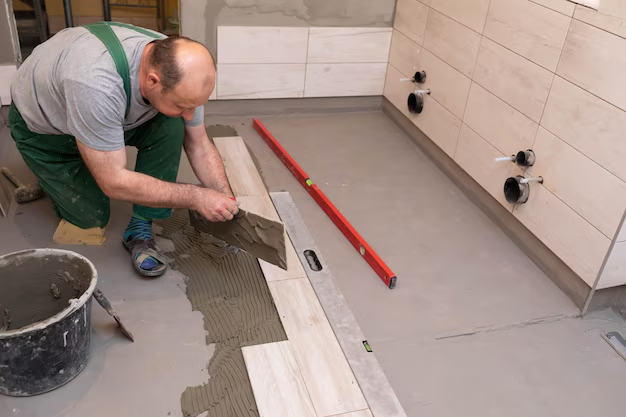
Laying the Tiles
The core step includes the actual placement of tiles, which requires precision and skill.
- Dry Layout: Arrange tiles before setting to ensure an optimal pattern.
- Adhesive Application: Choose the right type of adhesive for your tiles and follow instructions carefully.
- Spacing and Alignment: Use spacers to maintain even gaps between tiles.
Grouting and Finishing
Once tiles are set, it’s time to fill in the gaps and finalize the appearance.
- Grouting: Choose a grout that matches your tiles aesthetically and apply it evenly.
- Cleaning Excess Grout: Remove any excess grout for a polished appearance.
- Sealing: For porous materials like stone, apply a sealant to protect against stains and moisture.
🔍 Choosing a Tile Installation Service Provider
Credentials and Experience
Look for service providers with the necessary certifications and a proven track record. Experienced installers will not only execute the task efficiently but also advise on best practices.
Reviews and Testimonials
Customer feedback can be revealing. Examine reviews to gauge satisfaction levels and possible areas of concern with previous projects.
Cost Estimates
While obtaining estimates, ensure they cover all potential costs, including:
- Material costs
- Labor fees
- Additional expenses (e.g., underlayment, special sealants)
Guarantees and Aftercare
Quality services often come with warranties. These can offer peace of mind in case of post-installation issues. Evaluate aftercare services for long-term maintenance.
🚀 Maximizing the Longevity of Your Tiles
After installation, maintaining your tiles is crucial to ensure durability and aesthetic appeal:
Regular Cleaning
Use appropriate cleaning solutions for different tile types. Avoid harsh chemicals that could damage the surface.
Prompt Repairs
Address any chips or cracks immediately to prevent them from worsening.
Periodic Sealing
Especially for natural stone tiles, reseal the surfaces as recommended.
📋 Summary: Key Takeaways for Successful Tile Installation
Let’s wrap up the essentials with a visually distinct summary:
| 🔍 Key Consideration | 🚀 Tip for Success |
|---|---|
| 🌟 Tile Choice | Select tiles that align with your design vision and practical needs. |
| 📅 Pre-Installation | Ensure the area is prepared correctly for optimal tile adhesion. |
| ✅ Service Selection | Vet your service provider’s credentials, reviews, and cost breakdowns. |
| 🧹 Maintenance | Follow a regular maintenance schedule to extend the life and beauty of your tiles. |
Embarking on a tiling project is a significant undertaking, but with the right preparation, choice of materials, and professional support, it can be a seamless and rewarding process. Ensuring that each step is conducted with precision will maximize your investment and yield a stunning transformation in your space. 🏡
Related Topics
- Accessibility Equipment Installation
- Ac Installation Services
- Appliance Installation Services
- Best Installation Services Near Me
- Bge Installation Services
- Carpet Installation Services
- Cctv Installation Services
- Cctv Installation Services In Dubai
- Ceiling Fan Installation Services
- Chandelier Installation Services
- Christmas Light Installation Services
- Co2 Detector Installation Services
- Commercial Equipment Installation
- Commercial HVAC Installation
- Commercial Solar Panel Installation Services
- DIY Vs Professional Installation
- Door Installation Services
- Door Installation Services Near Me
- Downspout Installation Services
- Draeger Ignition Interlock Installation Services
- Dryer Vent Installation Services
- Drywall Installation Services
- Ductless Mini Split Ac Installation Services
- Ductwork Installation Services
- Electrical Installation Services